Video Game Addiction Test: Signs, Causes & How to Break Free
Are you constantly thinking about your next game, even when you're not playing? Do you find yourself prioritizing digital adventures over real-world responsibilities? For millions, gaming is a fun hobby, but for others, the line between passion and compulsion can blur, leading to concerns like, Am I addicted to video games? If this question resonates with you or a loved one, you're not alone, and understanding your habits is the first step toward balance. A confidential video game addiction test can provide the clarity you need to begin that journey.
Understanding Video Game Addiction & Gaming Disorder
Before we can explore solutions, it's essential to understand what we're talking about. The concept of video game addiction isn't just a popular concern; it's a recognized health issue. Gaining insight into this topic can help you assess your own situation with greater accuracy and less judgment.
What is Gaming Disorder? (As Recognized by WHO)
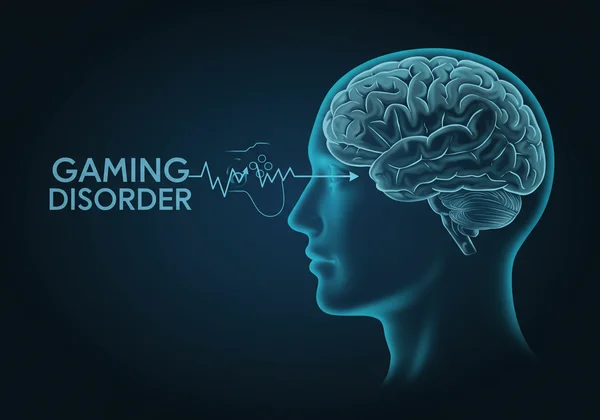
"Gaming Disorder" was officially added to the 11th Revision of the International Classification of Diseases (ICD-11) by the World Health Organization (WHO), underscoring its recognition as a significant health issue. It is characterized by a pattern of persistent or recurrent gaming behavior ("digital" or "video-gaming") that becomes so extensive it takes precedence over other life interests and daily activities. The key here is the negative impact and continuation of gaming despite adverse consequences.
Beyond a Hobby: When Gaming Becomes a Problem
A healthy gaming hobby is enriching. It can improve problem-solving skills, foster social connections, and be a source of genuine joy. It becomes a problem when it ceases to be a choice and starts feeling like a necessity. The core difference lies in control. If you can't reduce your playtime, feel irritable when you're not gaming, or find your real-life responsibilities are suffering, your gaming habits may be shifting into a more problematic zone.
The Psychology Behind Excessive Gaming Habits
Why are video games so compelling? Game designers are masters of engagement, using powerful psychological principles to keep players hooked. The brain's reward system is activated by in-game achievements, loot boxes, and leveling up, releasing dopamine—the "feel-good" neurotransmitter. For some individuals, this digital reward cycle can become more appealing than real-world rewards, creating a powerful pull toward excessive gaming.
Key Signs & Symptoms of Video Game Addiction
Recognizing the signs of compulsive gaming is vital for early intervention. These symptoms often fall into behavioral, emotional, and physical categories. If you see several of these signs in yourself or someone you care about, it may be time to take a closer look at the situation.
Behavioral Red Flags: Loss of Control & Neglect
The most visible indicators are often behavioral. This includes an inability to control the frequency, intensity, or duration of gaming sessions. You might find yourself playing for much longer than intended or at odd hours. This often leads to the neglect of essential duties, such as schoolwork, job responsibilities, or even basic hygiene. These are clear behavioral red flags that shouldn't be ignored.
Emotional & Psychological Impacts of Compulsive Gaming
The toll of gaming addiction is not just measured in hours spent online. Emotionally, a person might experience significant mood swings, feeling irritable, anxious, or sad when unable to play. Gaming may be used as an escape from difficult real-life feelings, creating a cycle of dependency. These psychological impacts are often a sign that gaming is serving as a crutch rather than a source of entertainment.

Physical Health Consequences of Excessive Screen Time
Spending countless hours in front of a screen has tangible physical effects. Common issues include fatigue, sleep disturbances from exposure to blue light, eye strain, and headaches. More severe consequences can involve carpal tunnel syndrome from repetitive motions and poor nutrition from neglecting proper meals. These physical symptoms are your body's way of signaling that your screen time is out of balance.
How Video Game Addiction Affects Daily Life
When gaming becomes a compulsion, its effects ripple outward, touching every aspect of a person's life. The consequences can be far-reaching, impacting everything from personal achievement to relationships with others. Recognizing these impacts can be a powerful motivator for change.
Impact on Academics, Career, and Productivity
For students and young professionals, the impact is often felt first in performance. Falling grades, missed deadlines, and poor job performance are common outcomes. The preoccupation with gaming can make it difficult to concentrate on tasks, leading to a significant decline in overall productivity and potentially jeopardizing future opportunities.
Strained Relationships and Social Isolation
While online gaming can create communities, an addiction to it often leads to real-world social isolation. Time spent gaming is time not spent with family and friends. This can lead to arguments, frustration, and strained relationships as loved ones feel neglected. The virtual world starts to replace genuine human connection, deepening the cycle of isolation.

Financial and Legal Implications of Gaming Problems
Gaming addiction can also have serious financial costs. In-game purchases, new hardware, and high-speed internet can add up quickly. For some, the compulsion can lead to spending money meant for bills or essentials on their gaming habit, resulting in debt. In extreme cases, issues at work or school can lead to job loss or academic expulsion.
Take the Video Game Addiction Test & Find Support
If any of this sounds familiar, know that you are not alone and that help is available. The first step toward regaining control is understanding the extent of the problem. A simple, confidential addiction test can provide the objective insight needed to move forward.
Why a Confidential Online Assessment Can Help You
Taking an online assessment is a private, pressure-free way to evaluate your gaming behaviors against established scientific criteria. Our confidential tests are designed to give you a preliminary understanding of your risk level. It’s completely anonymous and provides immediate results, empowering you with the knowledge to decide on your next steps. Taking this step can be the beginning of building a healthier relationship with technology.
Next Steps: Professional Help & Practical Strategies for Change
The results of an addiction test are not a diagnosis, but they are a valuable guide. If your results indicate a potential problem, seeking professional help from a therapist or counselor specializing in addiction is a highly recommended next step. They can provide a formal diagnosis and create a personalized treatment plan. Alongside professional support, practical strategies like setting strict time limits, finding alternative hobbies, and using blocking software can be very effective.
Building Healthier Digital Habits
Regaining control is about more than just stopping a behavior; it's about building a better, more balanced life. Focus on creating healthier digital habits. This includes scheduling specific, limited times for gaming and sticking to them. Make a conscious effort to engage in offline activities you enjoy, whether it's sports, art, or spending time in nature. Reconnecting with friends and family in the real world can help rebuild the social connections that may have been neglected.
Understanding Your Relationship with Gaming: A Path Forward
Recognizing that your gaming habits may have crossed a line is a brave and important realization. It’s the starting point on a path toward balance, health, and richer life experiences. Understanding the signs, causes, and consequences of gaming disorder empowers you to make informed choices.
You don’t have to figure this out on your own. Take the first step today by getting a clearer picture of your situation. A free, confidential online test can provide the insight you need to move forward with confidence. Start your journey to a healthier digital life now.
Frequently Asked Questions About Video Game Addiction
Am I addicted to video games?
The key difference between a hobby and an addiction lies in loss of control and negative consequences. If you find you cannot stop playing despite wanting to, and if your gaming is harming your relationships, work, or health, it may be a sign of a problem. A confidential assessment can help you evaluate your own behavior.
What are the main signs of gaming addiction?
The main signs include preoccupation with gaming, withdrawal symptoms (like irritability) when not playing, an inability to cut back, lying about gaming time, and jeopardizing relationships or career opportunities due to gaming. These are the core gaming disorder signs to watch for.
Can I really test for addiction online?
Yes, online screening tools are a reliable first step. Our online screening tools are based on scientifically validated scales used in clinical settings. While they do not provide a medical diagnosis, they offer a highly accurate risk assessment to help you understand if you should seek further professional support.
How can I stop a gaming addiction?
Stopping a gaming addiction often involves a combination of strategies. This can include setting strict limits on playtime, finding new hobbies, seeking therapy (like Cognitive Behavioral Therapy), and joining support groups. The first step is acknowledging the problem and seeking help.
Is Gaming Disorder a real mental illness?
Yes, Gaming Disorder is recognized by the World Health Organization (WHO) as a mental health condition. This recognition helps validate the struggles of those affected and encourages the development of professional treatment options, treating it with the seriousness it deserves.