Mental Health Resources for Finding Support When Addiction Is Part of the Picture
Mental health resources can feel overwhelming when you are already worried about mood, stress, substance use, compulsive habits, or a loved one's behavior. A useful resource is not just a hotline or a long list of links. It is a next step that matches the level of concern and the kind of support a person can realistically use. If addiction may be part of the picture, a private educational tool such as confidential addiction screening tools can help someone organize their concerns before talking with a professional, family member, or support group. It should be used as a self-reflection starting point, not as a substitute for qualified care.
Why Mental Health Resources Matter When Habits Feel Hard to Control
Mental health and addiction-related concerns often overlap in everyday life. Anxiety can make it harder to sleep, low mood can reduce motivation, and stress can push a person toward alcohol, substances, gambling, scrolling, gaming, eating patterns, shopping, work, or sexual behavior for short-term relief. Someone may only notice that they keep repeating a behavior even when it causes conflict, lost time, money problems, health worries, or shame.
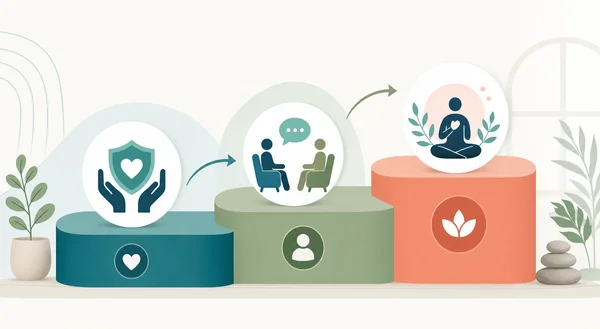
That is why the best mental health resources are layered. A person may need crisis support if safety is at risk, clinical support if symptoms are persistent, peer support if isolation is making things worse, and educational support if they are still trying to understand what is happening. A single resource rarely does everything well.
It also helps to separate information from action. Reading about symptoms can create language for a problem, but a real support plan usually includes another human being: a clinician, primary care provider, crisis counselor, trusted family member, peer group, school counselor, or workplace support contact. The goal is to make the next step less vague.
How to Sort Mental Health Resources by Urgency
The first question is not "Which resource is best?" It is "What level of help is needed today?" Sorting resources by urgency keeps the decision practical.
When immediate safety is the concern
If someone may harm themselves or someone else, is unable to stay safe, is experiencing severe confusion, or is in a medical emergency, the right resource is immediate crisis help. In the United States, 988 is widely used for suicide and crisis support, and local emergency services may be needed for urgent danger. In other countries, the local emergency number or crisis line is the safer first step.
Online articles, quizzes, and resource lists are not designed for emergency decision-making. They can be helpful later, but safety comes first.
When the concern is serious but not immediate
Some situations are not emergencies but still deserve timely support. Examples include panic that keeps returning, depression that affects work or school, escalating substance use, compulsive behavior that feels hard to interrupt, withdrawal concerns, trauma symptoms, or family conflict around a loved one's behavior.
In these cases, useful resources may include a primary care appointment, a mental health professional, an addiction counselor, a community mental health center, student counseling, an employee assistance program, or a specialized treatment program. The best starting point often depends on cost, insurance, location, and whether the person needs mental health care, substance use support, or both.
When the need is learning and self-reflection
Many people are earlier in the process. They know something feels off, but they are not sure how to describe it. They may be looking for online mental health resources, a mental health resource list, or free mental health resources that help them sort thoughts before asking for help.
Educational resources can be useful here. Articles, self-check questions, support group directories, recovery podcasts, and screening tools can help someone prepare for a more informed conversation. If the concern involves alcohol, substances, gambling, internet use, food, shopping, work, or other habits, a private self-reflection starting point can help organize the next discussion.
A Practical Mental Health Resource List by Need
A strong mental health resource list should include more than crisis numbers. People need different kinds of help at different points.
Crisis and urgent support
Crisis lines, emergency services, urgent behavioral health centers, mobile crisis teams, and hospital emergency departments are built for acute risk. These are the right resources when safety, severe impairment, or urgent medical concerns are present.
For addiction-related concerns, urgent support may also be needed when withdrawal could be dangerous, substance use is mixed with severe depression, or a person is intoxicated and unsafe. In those moments, involve local emergency or medical services instead of relying on self-guided information.
Professional care and assessment
Professional support can include therapists, psychologists, psychiatrists, primary care providers, addiction medicine clinicians, counselors, social workers, and outpatient or residential programs. The right fit depends on symptoms, risk level, substance use, cost, insurance, and personal preference.
When searching for local mental health resources, look for practical details: licensure, specialty, availability, fees, telehealth options, crisis policies, and experience with substance use or behavioral addiction patterns.
Peer and community support
Peer support can reduce isolation and help people hear from others who have faced similar patterns. This may include recovery groups, family support groups, online moderated communities, campus groups, faith-based support, or local nonprofit programs.
Peer support is not a replacement for clinical care when risk is high, but it can make change feel less lonely and help supporters encourage care without turning every conversation into a confrontation.
Digital and educational tools
Digital resources can include education sites, worksheets, mood tracking tools, recovery apps, teletherapy platforms, and online screenings. The strongest tools are clear about their limits, protect privacy as much as possible, and encourage professional support when concerns are serious or persistent.
Be careful with any tool that promises certainty, pushes fear, or treats a short questionnaire as the whole answer. Good resources make the next conversation easier.
Practical life support
Mental health support is not only therapy. Housing assistance, food support, financial counseling, legal aid, transportation help, school accommodations, caregiver respite, and workplace leave policies can all affect mental health.
For this reason, community resources for mental health often include social services as well as clinical care.
Resources for Specific People and Situations
People often search for resources with a group or circumstance in mind: men's mental health resources, teen mental health resources, youth mental health resources, LGBTQ mental health resources, veteran mental health resources, student mental health resources, or resources for caregivers. This is sensible. Identity, age, culture, stigma, trauma history, disability, and family role all shape what feels usable.
For teens and students, school counselors, campus counseling centers, youth crisis lines, parent guidance, and trusted adults are often important. For men, resources that address stigma, emotional language, substance use, anger, work stress, and isolation may feel more relevant. For LGBTQ people, affirming providers and community organizations matter. For veterans and first responders, trauma-informed support and peer programs may be especially important.
There are also health conditions that can overlap with mental health needs. Fibromyalgia, chronic pain, sleep disruption, fatigue, and long-term medical uncertainty can be linked with depression, anxiety, stress, and substance use risk. In those cases, mental health care works best when it is coordinated with medical care rather than treated as a separate problem.
Dementia is another example where mental health, medical care, caregiving, and legal systems can intersect. Whether dementia falls under a specific mental health law depends on the country or state and the facts. Families should seek qualified medical and legal guidance for decisions about capacity, safety, or involuntary care.

Five Everyday Ways to Support Mental Health While You Look for Help
Resources matter, but daily habits can make the search for help more manageable. These steps are not a replacement for care. They are stabilizing moves while someone gathers the right resources.
- Protect sleep as a foundation. Keep a consistent wake time, reduce late-night scrolling, and treat several nights of poor sleep as a signal to get support.
- Reduce isolation. Message one trusted person, attend a support meeting, or schedule a short check-in instead of waiting until everything is solved.
- Move your body gently. A walk, stretching, or light exercise can help with stress regulation, even when motivation is low.
- Track patterns without judgment. Note mood, cravings, triggers, substance use, compulsive behaviors, and sleep. Patterns are easier to discuss than vague self-criticism.
- Lower access to the highest-risk habit. This might mean avoiding certain apps at night, moving alcohol out of the home, adding spending friction, or asking someone to sit with you during a difficult window.
Small actions are easier to keep when they are specific. "I will feel better" is hard to act on. "I will text my sister before I drink tonight" or "I will put my phone in another room at 10 p.m." gives the brain a clearer path.
How AddictionTest.me Fits Into a Larger Support Plan
AddictionTest.me is best understood as one educational layer in a broader support plan. It can help a person name concerns, notice patterns, and prepare for a conversation about behavior that feels hard to control.
The site does not replace a clinician, crisis service, or local support system. Instead, it can sit beside them: first self-reflection, then a more informed conversation with a provider, counselor, trusted person, or recovery resource. If you are unsure where addiction-related patterns fit into your mental health picture, you can explore a gentle first step for self-reflection and use the results as one piece of context.
Good mental health resources do not have to be perfect to be useful. They just need to help you move from confusion toward support, one realistic step at a time.
FAQ
What are examples of mental health resources?
Examples include crisis lines, emergency services, therapists, psychiatrists, primary care providers, community mental health centers, school counseling, employee assistance programs, peer groups, recovery groups, online education, self-reflection tools, caregiver support, and social services.
How do I know which mental health resource to use first?
Start with urgency. If safety is at risk, use crisis or emergency support. If the issue is persistent but not immediately dangerous, consider a clinician, primary care provider, counselor, or community mental health center. If you are still trying to understand the concern, use educational resources to prepare for a more specific conversation.
Are there mental health links to fibromyalgia?
Yes, chronic pain and fibromyalgia can overlap with depression, anxiety, sleep disruption, stress, and medication or substance use concerns. The best support usually coordinates medical care with mental health care.
What are five ways to improve mental health?
Five practical ways are improving sleep routines, staying connected to at least one supportive person, moving your body gently, tracking mood and triggers, and reducing access to habits that create risk. These steps can help, but persistent or serious symptoms deserve professional support.
Is dementia covered under the Mental Health Act?
It depends on the jurisdiction and the specific law. In some places, dementia may fall within legal definitions used for mental health detention or care decisions in limited circumstances. Families should ask qualified medical and legal professionals before making decisions about capacity, safety, or involuntary care.
Are online mental health resources enough?
Online resources can be a helpful starting point for education, reflection, and preparation. They are usually not enough when there is crisis risk, severe impairment, withdrawal risk, ongoing substance use problems, trauma symptoms, or symptoms that keep interfering with daily life. In those situations, online resources should support a move toward human help.
What mental health resources help when addiction is involved?
Helpful resources may include addiction-informed therapists, primary care providers, addiction counselors, recovery groups, family support groups, crisis services, medication support when appropriate, and educational screening tools. The strongest plan usually combines information, professional guidance, and social support.