Is ADHD Neurodivergent? Meaning, Symptoms, and ADHD vs Neurotypical Brains
Yes, ADHD is commonly understood as neurodivergent because it is a neurodevelopmental condition that affects attention, impulse control, activity level, reward, planning, and self-regulation. That does not mean every person with ADHD has the same experience, and it does not mean ADHD is the same as autism, OCD, anxiety, or a personality trait. It means the ADHD brain may process information and manage daily demands differently from what is considered neurotypical. If you are trying to sort out patterns in focus, habits, impulsivity, or emotional overload, AddictionTest.me offers private self-reflection tools that can support thoughtful exploration without replacing professional care.

Is ADHD Neurodivergent or Neurotypical?
ADHD is neurodivergent, not neurotypical. Neurotypical usually describes people whose brain development and information processing fit common social, school, and work expectations. Neurodivergent describes people whose brains work in ways that differ from those expectations. ADHD fits that umbrella because it changes how a person may regulate attention, motivation, movement, emotion, and executive function.
The phrase "is ADHD neurodivergent or neurotypical" can feel confusing because neurodiversity is broad. Everyone is part of human neurodiversity, because no two brains are identical. Neurodivergent is more specific: it is often used for people with neurodevelopmental differences such as ADHD, autism, dyslexia, dyspraxia, Tourette syndrome, and related profiles.
The key point is not whether ADHD makes someone better or worse than anyone else. It is a practical language shift. Instead of treating attention, energy, forgetfulness, or restlessness as simple willpower problems, the neurodivergent frame asks what support, structure, environment, and self-understanding might help.
What Neurodivergent ADHD Means in Everyday Life
Neurodivergent ADHD is not one single look. One person may seem energetic, talkative, and constantly in motion. Another may look quiet but lose track of details, drift during conversations, or spend hours trying to begin a task. A third person may function well in urgent, exciting, or creative situations but struggle with routine chores, paperwork, or long-term planning.
This pattern often involves executive function. Executive function includes skills such as prioritizing, shifting attention, estimating time, remembering steps, delaying impulses, and finishing tasks that are not immediately rewarding. When those skills are inconsistent, life can feel harder even when someone is intelligent, caring, and motivated.
That is why many adults search phrases like "is ADHD neurodivergent Reddit" after seeing personal stories online. Community conversations can help people feel less alone, but they can also blur boundaries. A post may describe something relatable without proving that the same explanation applies to you. It is better to treat those stories as prompts for reflection, not final answers.
ADHD Neurodivergent Symptoms: What People Often Notice
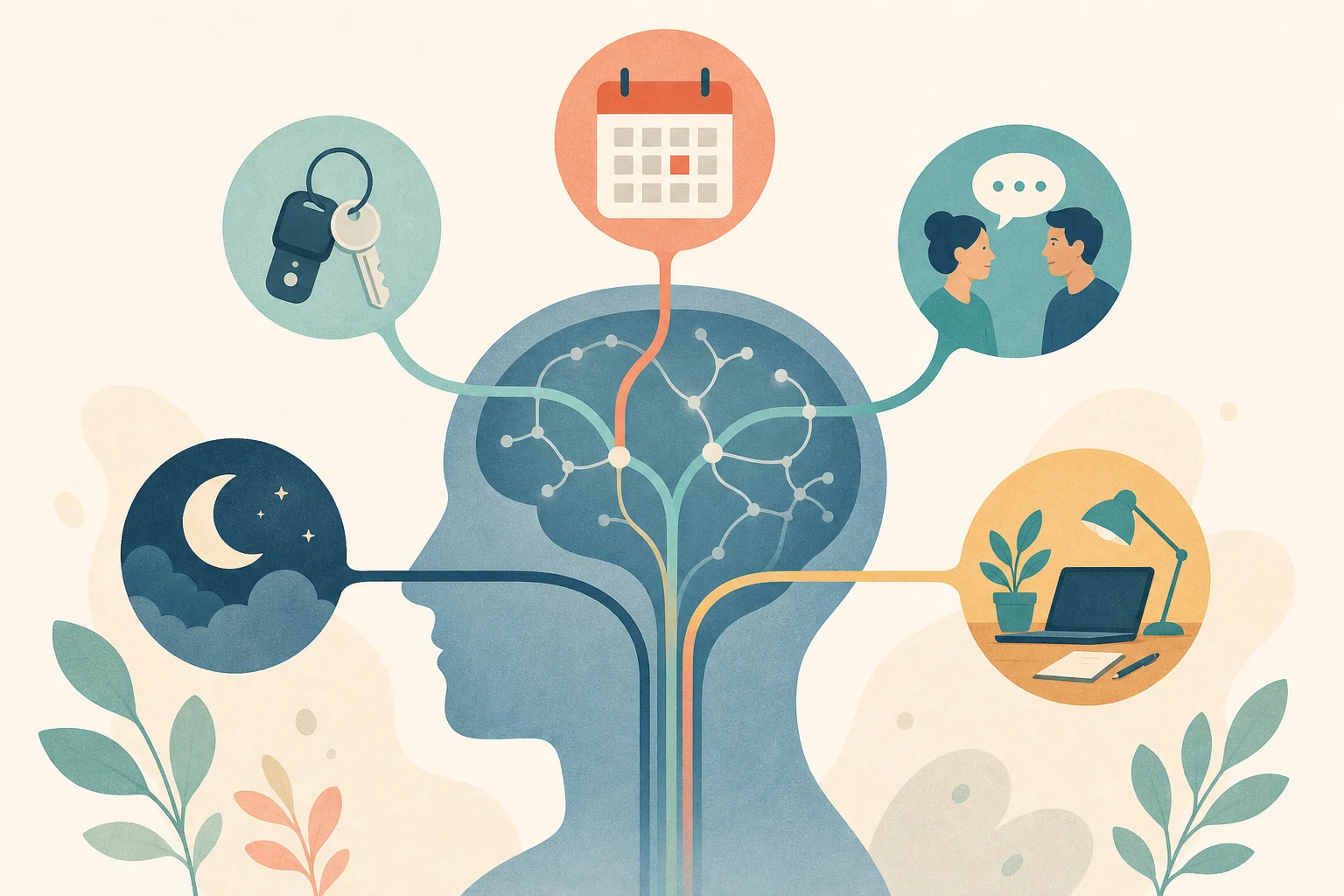
ADHD neurodivergent symptoms are usually discussed in three broad groups: inattention, hyperactivity, and impulsivity. Many people also describe emotional intensity, sleep disruption, sensory overwhelm, and inconsistent motivation. Symptoms can change with age, stress, hormones, environment, and support.
Inattention can look like more than distraction
Inattentive ADHD can include losing items, missing details, forgetting appointments, drifting during conversations, putting off long tasks, or feeling mentally stuck before starting. Is inattentive ADHD neurodivergent? Yes. Inattentive ADHD is still part of ADHD, even when it does not look loud or visibly restless.
For some people, inattention is selective rather than constant. They may focus intensely on work they find urgent, novel, creative, or personally meaningful, then struggle to do simple tasks that feel boring or repetitive. That contrast can create shame because outsiders may say, "You focused on that, so why not this?" Neurodivergent language helps explain that attention is not always under smooth voluntary control.
Hyperactivity and impulsivity can be internal
Hyperactivity is not always running around a room. In adults, it may feel like internal restlessness, constant mental motion, fidgeting, impatience, talking quickly, or needing stimulation to stay engaged. Impulsivity can include interrupting, spending too quickly, taking risks, switching plans suddenly, or reacting before there is time to pause.
These patterns matter because they can affect relationships, school, work, money, sleep, and substance-related or behavior-related choices. ADHD does not automatically mean someone will develop an addiction, but impulsivity, emotional strain, novelty seeking, and difficulty with self-regulation can make certain habits harder to manage for some people.
Emotional regulation and task friction are real
Many people with ADHD describe quick frustration, rejection sensitivity, mood swings, or a strong emotional response to small obstacles. This is not the same as being careless. It can be part of how the nervous system reacts when attention, reward, and self-control systems are under strain.
A useful action step is to track patterns for one week. Note when focus improves, when impulsive choices happen, what triggers overwhelm, what sleep looked like, and which environments make tasks easier. This kind of record can make conversations with a professional clearer and can also help you design small supports.

ADHD vs Neurodivergent, Autism, AuDHD, and OCD
"ADHD vs neurodivergent" is a category mix-up. ADHD is a specific condition. Neurodivergent is an umbrella term that can include ADHD and other brain-based differences. Saying "ADHD is neurodivergent" is like saying a specific city is part of a country; the two words do not sit at the same level.
ADHD is also not a form of autism. Autism and ADHD are both commonly discussed as neurodevelopmental conditions, and they can overlap, but they are not the same. Autism often involves differences in social communication, sensory processing, routines, and restricted or intense interests. ADHD more centrally involves attention regulation, impulsivity, activity level, and executive function. Some people have both ADHD and autism; many call this AuDHD.
When ADHD and autism overlap, traits can mask each other. A person may use structure and rules to compensate for ADHD chaos, or ADHD restlessness may make autistic needs for predictability less obvious. That is one reason short online content can be helpful for vocabulary but limited for personal interpretation.
OCD is a separate condition involving obsessions and compulsions. Is OCD neurodivergent? Language varies. Some people and communities include OCD under a broad neurodivergent umbrella, while clinical resources often classify it differently from neurodevelopmental conditions. The safest answer is that OCD can involve brain-based differences, but OCD, ADHD, and autism should not be treated as interchangeable.
Neurodivergent ADHD in Adults and Women
Neurodivergent ADHD adults may not look like the childhood stereotype of a hyperactive boy in class. Adults often face shifting expectations: bills, deadlines, parenting, relationships, long work projects, and invisible emotional labor. Symptoms may show up as chronic lateness, clutter, unfinished projects, impulsive decisions, burnout, trouble relaxing, or intense focus followed by exhaustion.
Neurodivergent ADHD women may be overlooked when their symptoms are quieter, masked, or interpreted as anxiety, perfectionism, moodiness, or being "too sensitive." Some women and girls learn to compensate through overplanning, people-pleasing, academic pressure, or constant self-monitoring. They may appear organized while privately spending far more energy than others to keep life moving.
Hormonal changes, caregiving roles, sleep pressure, and social expectations can also shape how ADHD feels. None of this means every woman with ADHD has the same pattern. It means the question "is ADHD neurotypical?" misses the lived complexity. A person can appear outwardly successful and still be navigating a neurodivergent profile that requires support.
How to Reflect on ADHD Patterns Without Over-Labeling
It is understandable to want a clean answer. Labels can reduce shame, explain old struggles, and point toward support. They can also become too rigid if they are used before enough information is gathered. A balanced approach is to combine education, pattern tracking, and professional guidance when symptoms are persistent, impairing, or distressing.
Try this simple reflection checklist:
- What attention problems show up across more than one setting?
- Which tasks are easy when urgent but almost impossible when routine?
- Do impulsive choices affect money, relationships, substances, screens, food, sex, gambling, work, or sleep?
- Do restlessness, emotional intensity, or sensory overload affect daily life?
- What supports already help: timers, body doubling, written plans, exercise, therapy, medication, quieter spaces, or fewer transitions?
For readers who are also noticing habit loops or risk-taking patterns, AddictionTest.me's educational screening resources can be one place to reflect on behavior-related concerns. They should be used as educational tools, not as a substitute for a qualified professional's assessment.
A Low-Pressure Next Step Before the FAQ
So, is ADHD neurodivergent? Yes. ADHD is widely understood as a neurodivergent condition because it involves differences in attention, impulse control, executive function, and self-regulation. But the label is only useful when it leads to more compassion, better support, and clearer next steps.
If the topic feels personal, start with observation rather than judgment. Write down the patterns you notice. Compare them with credible ADHD resources. Talk with a healthcare or mental health professional if symptoms interfere with work, school, relationships, safety, sleep, or substance-related choices. And if you are exploring how impulsivity or coping habits affect your daily life, a low-pressure starting point for reflection can help you organize what you are noticing before a deeper conversation.

FAQ
Is ADHD neurodivergent or neurotypical?
ADHD is neurodivergent. Neurotypical refers to development and information processing that fit common expectations. ADHD involves differences in attention, activity, impulsivity, reward, and executive function, so it is usually discussed within the neurodivergent umbrella.
What are ADHD neurodivergent symptoms?
Common symptoms include inattention, forgetfulness, disorganization, restlessness, impulsive decisions, trouble finishing tasks, emotional intensity, and difficulty shifting attention. Symptoms vary by person and may look different in children, adults, and women.
Is ADHD a form of autism?
No. ADHD is not a form of autism. Both are often described as neurodevelopmental and neurodivergent, and some people have both, but they involve different core patterns. ADHD is more centered on attention and impulse regulation, while autism often involves social communication, sensory, routine, and interest-related differences.
What is the difference between ADHD and AuDHD?
ADHD refers to attention-deficit/hyperactivity disorder. AuDHD is an informal community term for having both autism and ADHD. Someone with AuDHD may experience overlapping traits, such as executive function challenges, sensory sensitivity, intense interests, restlessness, or a strong need for both novelty and routine.
Is inattentive ADHD neurodivergent?
Yes. Inattentive ADHD is neurodivergent even when it is less visible. It may involve distractibility, forgetfulness, losing items, mental drifting, task initiation problems, and difficulty sustaining attention on routine work.
Is ADHD neurodivergent in adults?
Yes. Adults with ADHD are still neurodivergent. Adult ADHD may show up as time-management problems, disorganization, unfinished tasks, impulsive choices, emotional reactivity, internal restlessness, or burnout from constant compensation.
Why do people ask if ADHD is neurodivergent on Reddit?
People often use Reddit and other communities to compare lived experiences, learn language, and feel less alone. Those stories can be validating, but they are not enough for a personal conclusion. Treat them as conversation starters and seek professional guidance when symptoms affect daily life.
Is OCD neurodivergent like ADHD?
OCD and ADHD are not the same. Some communities include OCD under a broad neurodivergent umbrella, while many clinical resources classify OCD separately from neurodevelopmental conditions. If OCD-like intrusive thoughts or compulsive behaviors are causing distress, professional support is important.