Helping a Loved One with Addiction: Warning Signs and Testing Strategies
Watching someone you care about struggle with their behavior can be one of the most painful experiences in life. You may see drastic changes – exhaustion, irritability, or secrecy about time and money. These shifts often signal a deeper struggle. These changes often lead to a single, frightening question: Is my loved one suffering from an addiction?
Identifying a problem is the first step toward healing, but it is rarely easy. Addiction is complex and often hidden behind a wall of denial or shame. Whether it involves substances like alcohol or behaviors like gambling and internet use, the impact on the family is the same. You want to help, but you might not know where to start or how to speak up without causing an argument.
We created this guide from firsthand conversations with families navigating addiction to give you actionable steps. We will explore the warning signs to look for and provide practical strategies for starting a conversation. If you are looking for a way to bridge the gap between suspicion and clarity, you can take our confidential addiction screening by exploring professional resources that offer immediate insights. By the end of this article, you will have a clearer path forward to support your loved one effectively.

Recognizing the Signs of Addiction
Addiction does not always look like what we see in movies. It is often a slow process that creeps into a person's life, replacing healthy habits with compulsive ones. To help a loved one, you must first understand that addiction is a "disease of secrecy." People struggling with these issues often go to great lengths to hide their behavior because they are afraid of judgment or are not yet ready to face the truth themselves.
Physical and Behavioral Indicators
The most visible signs of addiction are often physical or behavioral. While these can vary depending on the type of addiction—whether it is a substance like nicotine or a behavior like excessive gaming—certain patterns are universal. You might notice a sudden decline in physical appearance or personal hygiene. A person who used to take pride in their look may suddenly seem disheveled or uninterested in self-care.
Changes in sleep patterns are also very common. A loved one might stay up all night or sleep through most of the day. You should also pay attention to their "disappearing acts." Do they vanish for hours at a time without a clear explanation? Are they suddenly very protective of their phone or computer? These behaviors often suggest they are engaging in the addictive activity in private. Financial trouble is another major red flag. If someone is constantly borrowing money or cannot explain where their paycheck went, it may be time to begin a free assessment to understand the underlying risks.
Emotional and Psychological Changes
Beyond the physical signs, the emotional state of your loved one will likely change. Addiction hijacks the brain’s reward system, making it difficult for the person to find joy in things they used to love. You might notice a total loss of interest in hobbies, sports, or family gatherings. When they are not engaging in the addictive behavior, they may appear depressed, anxious, or "flat."
Irritability and defensiveness are perhaps the most difficult signs for family members to handle. Questions about daily routines or spending might trigger sudden anger. This defensiveness often masks shame about their behavior. They might also experience intense mood swings, shifting from extreme high energy to deep lethargy in a short period. Recognizing these psychological shifts is crucial because it helps you see that the behavior is a symptom of a deeper struggle, rather than a personal attack on you.
Approaching Your Loved One: Effective Communication Strategies
Once you have identified the signs, the next step is the most intimidating: talking about it. Many people wait for a "rock bottom" moment to intervene, but experts now suggest that earlier conversations are more effective. However, the way you approach the topic will determine whether your loved one opens up or shuts down.
Creating the Right Environment for Conversation
Timing and location are everything. You should never try to have a serious conversation about addiction when the person is currently under the influence or in the middle of a compulsive behavior. Wait for a "sober moment" when they are calm and relatively clear-headed. Choose a private, quiet place where you will not be interrupted.
It is also important to manage your own emotions before you sit down. If you enter the conversation feeling angry or accusatory, the other person will immediately become defensive. Remind yourself that you are having this talk because you love them and want them to be healthy. Approach the situation with empathy rather than judgment. If you feel overwhelmed, you can access our preliminary screening tools to gather information beforehand so you feel more prepared and grounded in facts.

What to Say (and What Not to Say)
The language you use can either build a bridge or a wall. The most effective strategy is to use "I" statements. Instead of saying, "You are drinking too much and ruining this family," which feels like an attack, try saying, "I feel worried and lonely when I see you drinking every night." This focuses on your feelings and observations rather than their faults.
Avoid using labels like "junkie" or "alcoholic," as these carry heavy stigma and can cause the person to stop listening. Instead, describe specific behaviors you have noticed and how they affect your relationship. Listen more than you speak. Ask open-ended questions like, "How have you been feeling lately?" or "Is there anything you’ve been struggling with that you want to talk about?" By giving them the space to speak, you show that you are an ally, not an enemy.
When to Recommend an Addiction Test
Sometimes, a conversation isn't enough to break through the denial. In these cases, introducing a third-party perspective can be incredibly helpful. People often find it easier to accept a scientific or objective assessment than the "opinion" of a family member.
Introducing the Concept of Professional Assessment
When you suggest an assessment, position it as a tool for self-discovery rather than a trap. You might say, "I found a resource that helps people understand their habits better. It’s based on scientific scales used by professionals, and it might give us both some peace of mind." Explain that an assessment isn't a final diagnosis, but a way to see where they stand on a spectrum of risk.
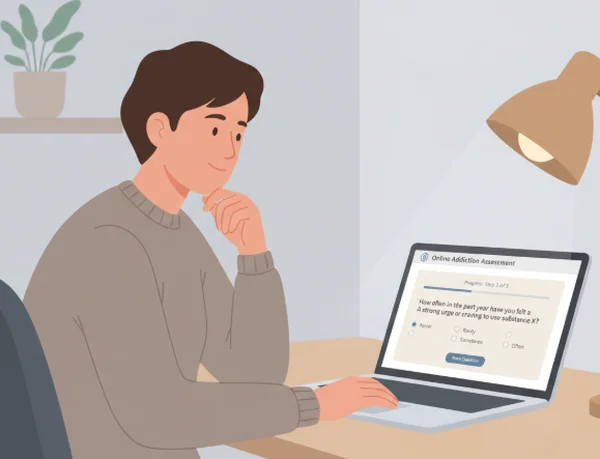
Emphasize that many people use these tools to catch problems before they become life-altering. By focusing on the scientific basis of the tool, you reduce the emotional weight of the conversation. It turns the problem into a "condition" that can be managed, rather than a moral failure. To make the process feel safer, you can suggest they complete a private screening in the privacy of their own room without anyone watching.
Guiding Them to Professional Resources
When recommending a specific platform, it is vital to choose one that respects privacy and provides high-quality information. This is where our addiction screening platform becomes an invaluable resource. The website offers a safe, anonymous environment where users can evaluate their behaviors across a wide range of categories—from alcohol and drugs to internet and shopping habits.
What makes this platform stand out is its commitment to science. Our tests use globally trusted scales, such as the AUDIT (for alcohol) and IAT (for internet habits). For a loved one who is hesitant, you can highlight that the service is free and requires no registration. They can receive confidential results instantly. If they want deeper insights, the AI-driven reports provide a personalized look at their behavior patterns, which can be a powerful "eye-opener" to help them realize they need professional support.
Your Role in Their Recovery Journey
Supporting a loved one through addiction is a marathon, not a sprint. Your primary role is to be a source of encouragement and a link to professional help. However, you must also remember that you cannot "fix" them. They must be the one to take the steps toward change.
The best thing you can do is maintain healthy boundaries. This means supporting their recovery but refusing to "enable" their addiction. For example, you can offer to drive them to a meeting, but you should not pay their debts or lie to their boss to cover for their behavior. Taking care of your own mental health is just as important as helping them. Consider joining a support group for families so you don't have to carry the burden alone.
As they begin to explore their situation, encourage them to keep using tools that build self-awareness. You might even offer to start an assessment alongside them if you both have habits you want to improve. Showing that everyone has room for growth can make the process feel less isolating for them.
The Takeaway
How do I know if my loved one's behavior is really addiction?
Addiction is generally defined by the "4 C's": Craving, loss of Control, Compulsion to use, and use despite Consequences. If you’ve noticed secrecy, defensiveness, or financial struggles alongside their habits, these often point to addiction. Our free test can help them see patterns professionals look for. To get a clearer answer, encourage them to access our screening tool.
What if they get angry when I bring up my concerns?
Anger is a very common reaction and often stems from fear or shame. If they become angry, do not argue back. Calmly state that you are bringing this up because you care, and then end the conversation for the time being. You can try again later when things have cooled down.
Is addiction testing really confidential and helpful?
Yes. Online assessments on reputable sites are designed to be a "first step." They provide immediate feedback without the pressure of a face-to-face clinical interview. This anonymity often helps people be more honest with themselves. You can view results privately to decide on the next steps.
What if they refuse to get tested?
You cannot force someone to take a test or seek help. If they refuse, continue to set your boundaries and express your love. Sometimes, just knowing that a resource like our confidential testing tool exists is enough for them to visit the site on their own time when they are ready.
How can I support them without enabling their behavior?
Supporting means helping them get better; enabling means helping them stay the same. Avoid making excuses for them or providing the means for them to continue their addiction. Instead, focus your support on healthy activities, professional help, and emotional encouragement.
Disclaimer: The content provided on this website is for informational and educational purposes only and is not intended as medical advice, diagnosis, or treatment. Addiction is a complex condition, and online assessments are screening tools, not a substitute for professional clinical evaluation. If you or a loved one are in crisis or need medical assistance, please contact a qualified healthcare provider or a local emergency service immediately.