Drug Withdrawal Symptoms and When to Seek Help
Drug withdrawal symptoms can be confusing because they rarely look the same for everyone. One person may notice sweating, nausea, and shaky sleep, while another mainly feels anxious, restless, irritable, or pulled back toward using. The pattern depends on the substance, how long it has been used, dose, overall health, mental state, and whether more than one substance is involved. This guide explains common symptoms, rough timing patterns, warning signs, and practical next steps. It is educational, not medical advice. If you are trying to understand your own pattern, a confidential addiction self-assessment can be one calm starting point for reflection, but withdrawal planning should involve a qualified clinician or local alcohol and drug service when symptoms may be risky.

What Drug Withdrawal Symptoms Mean
Withdrawal can happen when the body and brain have adapted to regular substance use and then the substance is reduced or stopped. The nervous system has been working around that substance. When the substance is suddenly absent or lower than expected, the body has to readjust, and that readjustment can show up as physical, emotional, cognitive, and behavioral symptoms.
This is why withdrawal may feel like more than ordinary discomfort. It can affect sleep, appetite, temperature regulation, digestion, concentration, mood, energy, and cravings. Some symptoms are visible to other people, such as sweating or tremors. Others are internal, such as panic, shame, low mood, racing thoughts, or a strong urge to use again just to feel steady.
Withdrawal is also not the same as recovery. Getting through the first days or weeks may reduce the immediate physical disruption, but cravings, stress triggers, habits, and mental health needs can continue. A safer goal is not simply to "push through." It is to understand the pattern, reduce risk, and connect the withdrawal phase to ongoing support.
Common Physical and Psychological Symptoms
The most common drug withdrawal symptoms usually fall into two overlapping groups: body symptoms and mind or mood symptoms. The exact mix varies, but these categories can help you describe what is happening more clearly.
| Symptom area | What it may feel like |
|---|---|
| Sleep | Insomnia, vivid dreams, waking often, sleeping much more than usual |
| Digestion | Nausea, vomiting, diarrhea, stomach cramps, appetite changes |
| Body comfort | Aches, chills, sweating, tremors, headaches, muscle tension |
| Mood | Anxiety, irritability, sadness, agitation, emotional swings |
| Thinking | Poor concentration, fogginess, memory lapses, racing thoughts |
| Cravings | Strong urges, bargaining thoughts, feeling pulled toward old routines |
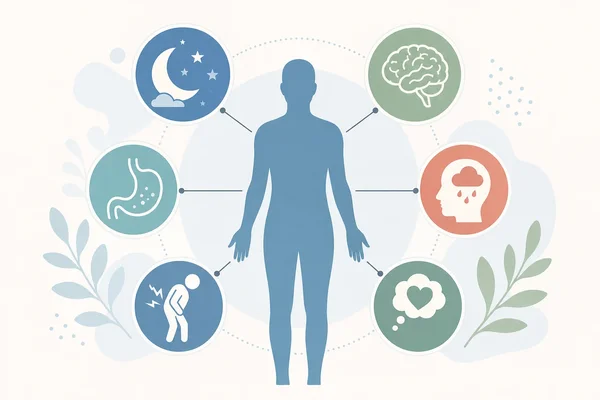
Physical symptoms can be frightening because they feel immediate and hard to ignore. Psychological symptoms can be just as important because they may affect decisions, relationships, and safety. Someone who is deeply anxious or sleepless may underestimate risk, overreact to conflict, or use again to stop the discomfort.
A useful self-check is to track three things: what changed, when it started, and whether it is getting better, worse, or moving in waves. This does not replace professional care, but it makes conversations with a doctor, counselor, or support person more concrete.
How Long Drug Withdrawal Symptoms Last
Many searches ask, "how long do drug withdrawal symptoms last?" The honest answer is that timing depends on the substance and the person. Some symptoms may begin within hours. Others may take a day or several days to appear. Some acute symptoms ease within a week, while sleep problems, cravings, low mood, or anxiety may last longer.
A simple timeline can help you think about the process without treating it as a promise:
- Early phase: symptoms begin after reducing or stopping use. This may include cravings, anxiety, sweating, stomach upset, restlessness, or trouble sleeping.
- Peak phase: symptoms feel strongest. This is often when support matters most because discomfort can increase the urge to use again.
- Settling phase: acute symptoms begin to ease, though energy, sleep, mood, and cravings may still fluctuate.
- Longer adjustment: some people continue to notice cravings, low motivation, disrupted sleep, or emotional sensitivity after the acute stage.

The timeline is often shorter for some short-acting substances and longer for long-acting substances or medications that affect the nervous system. Prescription drugs can also produce withdrawal symptoms, even when they were originally used for a medical reason. For that reason, stopping or reducing prescription opioids, benzodiazepines, sedatives, or psychiatric medications should be discussed with a healthcare professional.
Withdrawal Symptoms of Different Drugs Are Not Identical
It is tempting to look for one universal list of withdrawal symptoms of drugs, but different substances can create different risks.
Opioid withdrawal may feel like a severe flu-like state, with body aches, sweating, runny nose, stomach cramps, diarrhea, nausea, insomnia, and intense cravings. It can be extremely uncomfortable, and returning to previous opioid amounts after a period of reduced use can raise overdose risk because tolerance may drop.
Stimulant withdrawal, such as from cocaine or methamphetamine, may involve exhaustion, low mood, increased sleep, increased appetite, irritability, anxiety, and strong cravings. Some people experience severe depression, agitation, or unusual thoughts, especially after heavy use. Those symptoms deserve prompt professional attention.
Alcohol, benzodiazepines, GHB, and some sedatives are especially important to discuss with a clinician before stopping because withdrawal can become medically serious. Tremors, confusion, seizures, hallucinations, extreme agitation, or severe changes in blood pressure or heart rate should be treated as urgent warning signs.
Cannabis, nicotine, and other substances can also produce real withdrawal symptoms, including irritability, sleep changes, restlessness, appetite shifts, and cravings. These may not always look dramatic from the outside, but they can still make daily life harder and increase the risk of returning to use.
Neonatal drug withdrawal symptoms and drug withdrawal symptoms in infants are a separate medical topic. A newborn with possible withdrawal needs pediatric medical care, not an online checklist.
When Symptoms Need Medical Support
Some withdrawal symptoms are uncomfortable but manageable with planned support. Others can be unsafe. It is wise to speak with a doctor or alcohol and drug service before changing use if you have been using alcohol, benzodiazepines, GHB, opioids, multiple substances, high amounts, or substances mixed with unknown ingredients.
Seek urgent medical help if withdrawal includes seizures, confusion, hallucinations, chest pain, fainting, severe dehydration, uncontrolled vomiting, suicidal thoughts, violent agitation, severe depression, or signs of overdose. Also seek help quickly if the person is pregnant, medically fragile, very young, older, or has a history of complicated withdrawal.
Support does not always mean hospital care, but it does mean someone qualified can help decide the safest setting. Depending on risk, withdrawal may be supported at home with medical guidance, through outpatient care, in a clinic, in a residential detox setting, or in a hospital. The right setting depends on the substance, symptom severity, living situation, and available support.

If you are supporting someone else, avoid arguing about willpower while symptoms are active. Focus on safety, hydration, rest, calm surroundings, and connection to care. Withdrawal can make people fearful, irritable, ashamed, or hard to reason with. A steady, nonjudgmental tone is more useful than pressure.
What Helps With Withdrawal Symptoms From Drugs
The safest support plan is specific to the person and substance, but several low-risk steps can make withdrawal easier to monitor and discuss.
First, write down the substance or substances involved, the last use, usual amount, and any prescription medications. If there is uncertainty, write that down too. Unknown potency or mixed substances increase risk.
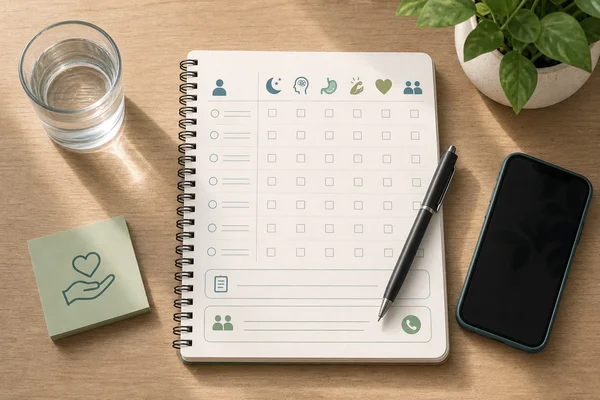
Second, track symptoms at set times instead of only when panic rises. Use a simple 0 to 10 scale for nausea, anxiety, sleep, cravings, pain, and mood. Patterns matter. Symptoms that are rapidly worsening deserve more attention than symptoms that are uncomfortable but stable.
Third, protect basics: fluids, light food if tolerated, rest, a calm environment, and reduced demands. Food can support the body, but no food "detoxes" the body from drugs in a reliable or medically safe way. Be cautious with online detox claims, extreme fasting, excessive water intake, or supplement-heavy plans.
Fourth, plan for cravings before they hit. Cravings often rise and fall. Helpful options include calling a support person, changing rooms, taking a short walk if safe, using a breathing exercise, showering, watching something familiar, or writing down the urge without acting on it for ten minutes.
Fifth, keep professional care in the picture. Medications can be appropriate for some withdrawal situations, but they should be selected by qualified professionals. Using leftover medication, mixing sedatives, or guessing doses can create new risks.
Using Self-Reflection Without Replacing Care
Many people search for drug withdrawal symptoms because they are not sure whether their experience is "bad enough" to ask for help. That uncertainty is understandable. Withdrawal can make people minimize symptoms one hour and feel alarmed the next.
An online screen can help organize reflection around substance use patterns, cravings, consequences, and readiness for support. It can also help someone prepare for a conversation with a clinician or trusted person. Still, a private screening starting point should be treated as educational support, not a substitute for medical withdrawal planning.
The most helpful questions are practical:
- What substance am I reducing or stopping?
- What symptoms have appeared, and when did they begin?
- Are symptoms stable, improving, or getting worse?
- Have I had seizures, hallucinations, severe depression, or dangerous confusion before?
- Who knows what is happening and can check in?
- What professional service could I contact if symptoms escalate?
If the answers show uncertainty or risk, it is better to ask for help early. Withdrawal support is not a judgment on character. It is risk management for a body and brain under stress.
A Safer Next Step After Recognizing Symptoms
Drug withdrawal symptoms are signals, not a personal failure. They can show that the body has adapted to a substance, that stopping suddenly may be harder than expected, or that more support is needed. The next step is to turn vague fear into a clearer plan: identify the substance, note symptoms and timing, check for red flags, and contact appropriate help when risk is present.
For readers who are still sorting out whether substance use has become a broader pattern, AddictionTest.me offers an educational addiction screening tool for private reflection. Use it as one piece of preparation, especially if you want language for what you have noticed. If withdrawal is already happening, especially with alcohol, benzodiazepines, GHB, opioids, multiple substances, pregnancy, severe mental health symptoms, or any urgent warning sign, prioritize medical guidance and local emergency support.
FAQ
What are the most common withdrawal symptoms?
Common symptoms include cravings, sleep problems, irritability, anxiety, low mood, restlessness, sweating, headaches, nausea, vomiting, diarrhea, tremors, body aches, and trouble concentrating. Severe symptoms can include confusion, hallucinations, seizures, extreme agitation, or serious dehydration. The exact pattern depends on the substance and the person.
When do drug withdrawal symptoms start?
Some symptoms can begin within hours of reducing or stopping use. Others may start after a day or several days, especially with longer-acting substances. Timing depends on the substance, amount used, length of use, metabolism, health, and whether other substances are involved.
How long can drug withdrawal symptoms last?
Acute symptoms may last a few days to a few weeks, but some cravings, sleep disruption, mood changes, or low energy can last longer. A timeline should be treated as a rough guide, not a promise. Symptoms that worsen, feel unsafe, or involve severe mental or physical changes should be discussed with a professional.
What drug has the worst withdrawal symptoms?
There is no single answer that is safe for everyone. Alcohol, benzodiazepines, GHB, and some sedatives can involve medically serious withdrawal. Opioid withdrawal can be extremely uncomfortable and carries overdose risk if a person returns to a previous amount after tolerance drops. The safest approach is to assess the substance, history, and symptoms with qualified support.
What foods detox your body from drugs?
No food can reliably detox the body from drugs or replace withdrawal care. Balanced meals, fluids, and gentle nutrition may support comfort and energy, but detox claims should be treated carefully. Avoid extreme diets, excessive water intake, or supplement plans that promise fast results.
Are drug withdrawal symptoms psychological or physical?
They can be both. Physical symptoms may include sweating, nausea, diarrhea, tremors, aches, chills, and sleep disruption. Psychological symptoms may include anxiety, depression, irritability, cravings, poor concentration, and emotional swings. These often overlap and can influence each other.
Can withdrawal symptoms mean I have an addiction?
Withdrawal can be one sign that the body has adapted to a substance, but it is not the only factor. Substance use concerns are usually understood by looking at cravings, control, consequences, tolerance, withdrawal, and continued use despite harm. A professional assessment can give more context.
What should I do if I am scared by withdrawal symptoms?
If symptoms feel severe, unsafe, or rapidly worse, contact urgent medical help or a local crisis service. If symptoms are uncomfortable but not urgent, contact a doctor, pharmacist, counselor, or alcohol and drug service for guidance. Tell someone you trust what is happening so you are not managing it alone.