After Your Addiction Test: Finding the Right Therapist for Recovery
Taking an addiction test is a brave first step toward understanding your habits. It shows courage and a desire for self-awareness. But what comes next? If your results suggest that your behaviors are causing problems, the path to finding professional help can feel confusing. You might be asking yourself, "How do I find the right therapist for me?"
This journey from awareness to action can feel overwhelming, but you don't have to walk it alone. This guide walks you through each step, helping you find the support you need with confidence. We'll show you how to understand your test results and prepare for that important first session. A clear, confidential self-assessment is the perfect starting point. If you haven't already, you can explore your behaviors with a free online test to gain valuable insights.
You'll find practical tools and knowledge here to connect with qualified support. We'll break down the process into simple, manageable steps, empowering you to move forward on your path to a healthier life.
Understanding Your Addiction Test Results
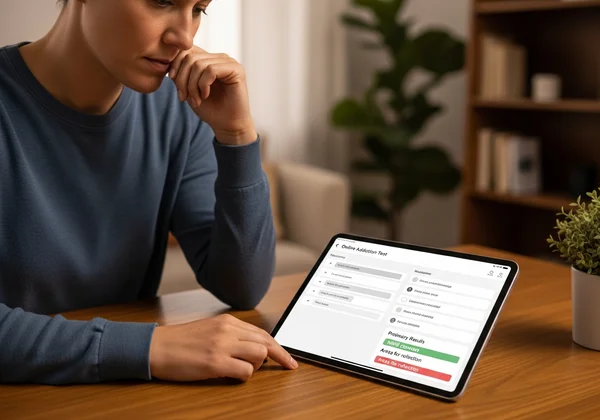
After completing an online assessment, you receive a score or risk level. This information is valuable, but it's important to understand both what it means and what it doesn't. Your results are a snapshot, not a final diagnosis. They are designed to be a starting point for reflection.
What Your Test Scores Actually Mean
Online addiction tests, such as those on AddictionTest.me, use scientifically validated screening tools. These tests measure patterns of behavior, thoughts, and consequences related to addiction. A higher score typically indicates that your behaviors align more closely with established criteria for an addictive disorder.
Think of your score as a risk indicator. A low score might suggest your habits are currently manageable. A moderate or high score suggests a significant risk and a strong reason to explore further. It’s not a label of "addict" but a signal that certain behaviors may be negatively impacting your life, work, or relationships. This initial insight can help you have a more productive conversation if you decide to speak with a professional.
When Test Results Suggest Professional Help
So, when is it time to seek professional help? Any level of concern is a valid reason to seek help. A high score on an addiction test is a particularly strong sign. If your results indicate moderate or high risk, your behaviors are probably causing significant distress or affecting your daily life.
Other signs that it's time to find a therapist include:
- You’ve tried to cut back or stop on your own but haven't been successful.
- Your relationships with family, friends, or partners are suffering.
- Your performance at work or school is declining.
- You spend a significant amount of time thinking about or engaging in the behavior.
- You feel guilt, shame, or anxiety about your habits.
If any of these resonate with you, consider it a green light to seek support. A confidential addiction test can provide the clarity needed to make this important decision.
Researching Qualified Addiction Therapists
Finding the right therapist is a crucial step. The relationship you build with them will be the foundation of your recovery journey. It's important to find someone who is not only qualified but also a good fit for your personality and needs.
Key Credentials to Look For
When searching for an addiction specialist, certain credentials indicate a high level of training and expertise. Look for professionals with titles like:
- Licensed Clinical Social Worker (LCSW)
- Licensed Professional Counselor (LPC)
- Licensed Marriage and Family Therapist (LMFT)
- Licensed Psychologist (PhD or PsyD)
- Psychiatrist (MD), who can also prescribe medication.
Additionally, look for specific certifications in addiction, such as Certified Alcohol and Drug Counselor (CADC) or Certified Addiction Specialist (CAS). These credentials ensure the therapist has specialized knowledge in treating substance use and behavioral addictions.
Where to Find Reputable Addiction Specialists
Finding a therapist can seem like searching for a needle in a haystack, but there are many reliable resources available. Here are a few places to start your search:
-
Professional Association Directories: Organizations like the American Psychological Association (APA) or the National Association of Social Workers (NASW) have online directories.
-
Online Therapy Platforms: Websites like Psychology Today, GoodTherapist, and Zocdoc allow you to filter therapists by location, specialty, and insurance.
-
Your Insurance Provider: Your insurance company's website will have a list of in-network mental health providers.
-
Government Health Agencies: The Substance Abuse and Mental Health Services Administration (SAMHSA) offers a national helpline and treatment locator.

Questions to Ask Potential Therapists
Once you have a list of potential therapists, it's a good idea to have a brief introductory call. This is your chance to interview them and see if they are a good fit. Here are some important questions to ask:
- What is your experience treating the specific issue I am dealing with (e.g., internet addiction, alcohol use, gambling)?
- What is your therapeutic approach? (e.g., Cognitive Behavioral Therapy, Motivational Interviewing).
- What does a typical session with you look like?
- What are your fees and do you accept my insurance?
- How do you measure progress?
Trust your gut feeling during these conversations. Feeling comfortable and heard is just as important as the therapist's qualifications.
Preparing for Your First Therapy Session
Starting therapy is a significant step, and it's normal to feel a mix of hope and nervousness. A little preparation can help you feel more confident and make the most of your first appointment. Knowing what to expect can ease your anxiety and set the stage for a productive therapeutic relationship.
Setting Realistic Expectations
Therapy is a collaborative process, not a quick fix. Recovery is a journey with ups and downs, so it's important to understand that change takes time and effort. Your therapist is a guide who provides tools and support, but you are the one who will do the work of healing.
In the first few sessions, you will likely spend time telling your story and setting goals. Be patient with yourself and the process. Building trust with your therapist is key, and that can take a few meetings. Remember, showing up is the first and most important step.
How to Discuss Your Test Results
Your online test results can be a great starting point for your first session. They provide a structured way to begin a conversation that might otherwise feel difficult. You can say something like, "I took an online addiction test and the results concerned me. Can we talk about them?"
This gives your therapist concrete information about your concerns. You can discuss the specific questions that stood out to you or the score you received. This helps the therapist quickly understand your situation and validates the concerns that led you to seek help. Using your addiction test results as an icebreaker can make that first conversation feel much less intimidating.
Navigating Insurance and Access Barriers
One of the biggest hurdles to seeking therapy can be figuring out the financial and logistical side of things. Understanding your insurance coverage and knowing what options are available can remove a significant amount of stress from the process.
Understanding Your Mental Health Coverage
Most health insurance plans are required to provide some level of mental health coverage. However, the details can be confusing. Start by calling the member services number on the back of your insurance card or by logging into your online portal.
Ask specific questions like:
- What are my in-network and out-of-network benefits for mental health?
- Do I need a referral from my primary care doctor?
- What is my copay or coinsurance for therapy sessions?
- Is there a limit on the number of sessions I can have per year?
Getting clear answers to these questions will help you budget for therapy and avoid unexpected bills.

Affordable Options When Insurance Isn't Available
If you don't have insurance or if your coverage is limited, don't lose hope. There are many affordable and low-cost options for therapy.
- Sliding-Scale Therapists: Many private therapists offer a "sliding scale," which means they adjust their fees based on your income. Don't be afraid to ask about this during your initial call.
- Community Mental Health Centers: These centers are often funded by the government and provide services on a sliding scale.
- University Training Clinics: If there's a university with a psychology or counseling program nearby, they often have clinics where you can receive therapy from graduate students under the supervision of licensed professionals at a very low cost.
- Support Groups: Groups like Alcoholics Anonymous (AA), Narcotics Anonymous (NA), or SMART Recovery are free and provide valuable peer support.
Your Journey to Support Begins Now
Finding an addiction therapist can feel like a monumental task, but it is an achievable and incredibly rewarding one. By understanding your test results, researching qualified professionals, and preparing for your first session, you are taking control of your well-being. Remember, this is a journey of courage, and every step forward is a victory.
Your path to a richer life starts with self-exploration. If you are questioning your habits, knowledge is your greatest asset. Gaining a clear, confidential understanding of your behaviors is the first step toward meaningful change.
Ready to move forward? Start your assessment today to get a free, scientific, and completely confidential insight into your habits. Let this be the day you move from wondering to knowing.
Frequently Asked Questions
How do I know if I need addiction therapy?
If a behavior is negatively impacting your health, relationships, work, or finances, and you feel unable to stop on your own, therapy is a good idea. A high-risk result on a confidential addiction quiz is also a strong indicator that professional support could be beneficial.
What questions should I ask a potential addiction therapist?
Ask about their specific experience with your issue, their therapeutic approach (e.g., CBT, MI), their fees, and what you can expect from a typical session. It's also important to ask if they feel they are a good fit for helping you with your goals.
How much does addiction therapy typically cost?
Costs vary widely depending on your location, the therapist's credentials, and your insurance coverage. Sessions can range from under $50 at a community clinic to over $250 for a specialized private practitioner. Always confirm costs and payment options before your first session.
What should I expect in my first therapy session?
Your first session is usually a "get to know you" meeting. You'll discuss what brought you to therapy, your history, and your goals. The therapist will explain their approach and how they can help. It's a two-way conversation to see if you are a good fit for each other.
How long does addiction therapy typically last?
The duration of therapy is highly individual. Some people may benefit from short-term therapy lasting a few months, while others with more complex issues may need longer-term support. You and your therapist will work together to determine a timeline that fits your unique needs and goals.