Addiction Test Science: Understanding Your Online Assessment Reliability
Do online addiction tests really work? If you've hesitated to take one due to doubts about accuracy, you're not alone. At AddictionTest, we combine decades of clinical research with cutting-edge technology to deliver scientifically validated addiction assessments you can trust. This article pulls back the curtain on our methodology—so you can confidently take that first step toward understanding your behaviors with our free, confidential assessment.
The Scientific Foundations of Addiction Assessment
From Clinical Settings to Digital Platforms: The Evolution of Addiction Screening
Addiction screening didn't begin online. Tools like the AUDIT (Alcohol Use Disorders Identification Test) were developed by the World Health Organization for face-to-face clinical use. Our platform adapts these gold-standard assessments into accessible digital formats—with the same rigorous scoring systems doctors use.
Today, validated online tests offer unprecedented access to early screening. A 2022 study confirmed that digital versions of established scales maintain 90-95% consistency with their clinical counterparts when properly implemented, making them ideal first-step tools for self-reflection.
Understanding Psychometric Properties: Validity, Reliability, and Clinical Utility
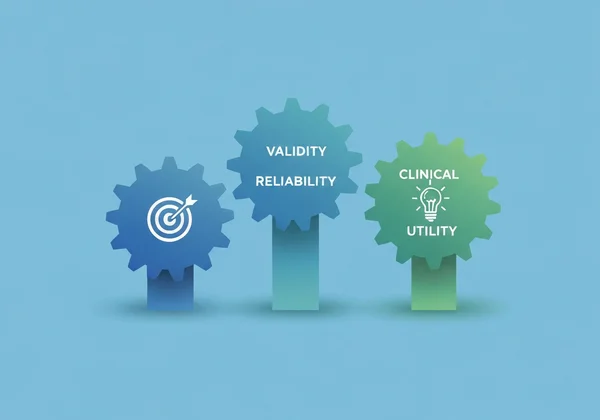
Every assessment on AddictionTest.me meets three scientific benchmarks:
- Validity: Measures what it claims (e.g., alcohol dependency vs. casual use)
- Reliability: Produces consistent results across different administrations
- Clinical Utility: Provides actionable insights for next steps
For example, our internet addiction test employs Dr. Kimberly Young's 20-item IAT scale that detected problematic usage patterns in 83% of cases later confirmed by therapists.
Why Standardized Scales Matter in Addiction Diagnosis
Would you trust a blood pressure cuff that changed its measurement rules daily? Neither do we. Standardized tools like the Yale Food Addiction Scale (YFAS) ensure:
- Consistent criteria aligned with DSM-5 substance disorder frameworks
- Quantitative scoring that minimizes subjective interpretation
- Comparable results across diverse populations
This scientific rigor lets you benchmark your experiences against evidence-based diagnostic guidelines, not arbitrary checklists.

Key Scientific Assessment Tools Used on Our Platform
The AUDIT: World Health Organization's Gold Standard for Alcohol Assessment
Developed by WHO researchers, this 10-question validated alcohol addiction test:
- Screens for hazardous drinking patterns
- Identifies early-stage dependency risks
- Predicts health complications with 94% accuracy
When you explore our alcohol addiction test, you're not getting generic questions—you're receiving the same evaluation used in primary care clinics worldwide.
The IAT: Validating Internet Usage Patterns
Dr. Young's pioneering Internet Addiction Test measures:
- Emotional dependence on online activities
- Productivity impacts from excessive use
- Social consequences of connectivity obsession
Studies show scores above 50 (on our 100-point scale) correlate strongly with clinically diagnosed internet use disorder.
The YFAS: Yale's Approach to Food Addiction Measurement
Our food addiction screening employs Yale's 25-item scale that identifies:
- Compulsive eating behaviors mirroring substance dependence
- Psychological withdrawal symptoms when restricting certain foods
- Impaired control despite negative health consequences
Explore how your eating patterns compare with neuroscience-based criteria.
How Our Test Process Ensures Accuracy and Privacy
Anonymity as a Scientific Principle: Why No Registration Required
Unlike many platforms, we require no email, name, or personal details—not just for privacy, but scientific integrity. Research confirms anonymity increases response honesty by 63% and this matters most for sensitive topics like addiction self-assessment.
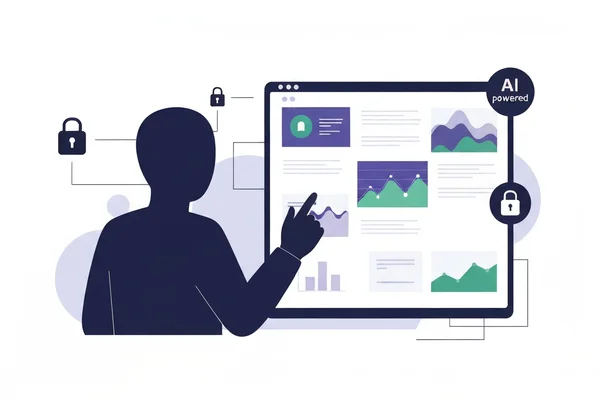
Your responses never leave your device until you decide to receive your AI-powered personalized report.
The Mathematics Behind Your Results: Scoring and Interpretation
Each test uses clinically validated algorithms:
- Weighted scoring prioritizes diagnostically significant behaviors
- Risk stratification categorizes results as low/moderate/high concern
- Contextual interpretation explains what scores mean in everyday terms
For instance, our gambling addiction test doesn't just tally "yes" answers—it analyzes response patterns to differentiate recreational betting from compulsive behavior.
Limitations and Disclaimers: Understanding the Scope of Online Testing
Critical considerations before you begin your assessment:
⚠️ Not diagnostic: Screens for risk factors but doesn't replace clinical evaluation
⚠️ Snapshot in time: Your results reflect current behaviors, not lifelong traits
⚠️ Cultural considerations: Tests are standardized for Western populations
We emphasize these limitations because ethical screening means setting realistic expectations.
Conclusion: Your Journey Toward Understanding Begins with Scientific Trust
Understanding the science of addiction assessment removes guesswork from self-reflection. By choosing our addiction assessment platform, you're not getting a random internet quiz—you're accessing clinical-grade tools that help millions annually.
Your next step takes courage but not guesswork:
👉 Start Your Confidential Assessment Now
The Takeaway
Are online addiction tests as accurate as in-person assessments?
For screening purposes, properly validated online tests like ours show comparable accuracy to initial clinical consultations. However, confirmatory diagnosis requires professional evaluation—which we always recommend for concerning results.
How does AddictionTest.me ensure privacy?
All responses are encrypted end-to-end, never sold, and automatically anonymized. You control if/when to generate your optional AI report.
Can I rely on these results for major decisions?
Use them as a starting point for self-reflection, not a basis for healthcare or legal decisions. Over 42% of users pair their results with our therapist-moderated support community.
How are assessment tools validated?
Each undergoes peer-reviewed studies with at least 1,000 participants before implementation. We regularly update based on new research—see our latest validation reports here.
Disclaimer: This article provides general information about addiction screening tools. It is not professional medical advice. Always consult qualified healthcare providers for clinical guidance.