Addiction Test & Mental Health: Understanding the Dual Diagnosis Connection
Do you ever feel like you're fighting a battle on two fronts? On one side, there's the heavy weight of depression or the constant hum of anxiety. On the other, you notice habits—scrolling, drinking, gaming, or shopping—that are spiraling out of your control. This is a silent struggle for millions, where emotional pain drives a search for temporary relief, creating a dangerous cycle that is incredibly hard to recognize and break alone.
This article explores the complex relationship between mental health challenges and addiction. It's designed to help you understand if you might be facing this dual challenge, often called a "dual diagnosis" or "co-occurring disorder." Gaining clarity is the first step toward regaining control. If you're looking for a starting point, a confidential addiction test can provide valuable insights into your behavioral patterns.
This guide will help you understand how your emotions and behaviors connect. We'll explore how mental health challenges can lead to compulsive actions, how to recognize warning signs, and what recovery can look like.
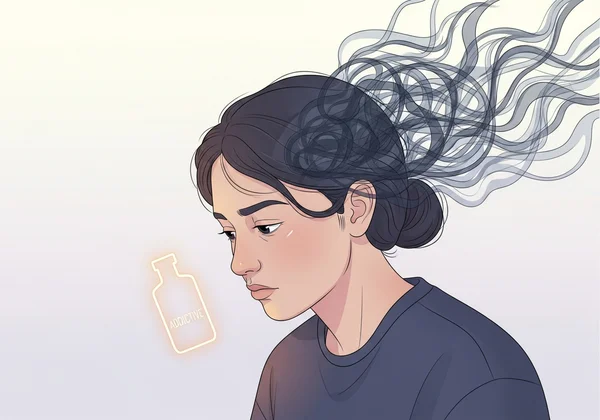
The Vicious Cycle: How Depression and Anxiety Fuel Addiction
The link between mental health and addiction isn't a coincidence; it's a well-documented cycle. Living with untreated anxiety or depression means your brain is always looking for relief. This creates perfect conditions for addictive behaviors to develop, which in turn makes it harder to manage either condition effectively. This is often described as the mental health addiction cycle.
Self-Medication: When Mental Health Triggers Compulsive Behaviors
For many people, the journey into addiction begins with an attempt to self-medicate. Imagine feeling a wave of social anxiety before a party. A drink or two might quiet that fear, making it easier to interact. Or, if you're battling feelings of emptiness from depression, the instant thrill of an online purchase or winning a level in a video game can offer a brief escape.
This is self-medication in action. It's the use of a substance or a behavior to cope with or numb the symptoms of a mental health condition. The relief is real, but it's temporary. Over time, the brain starts to associate that substance or activity with feeling "normal," leading to a compulsive need to repeat it. This is how anxiety compulsive behavior can develop into a more serious problem.
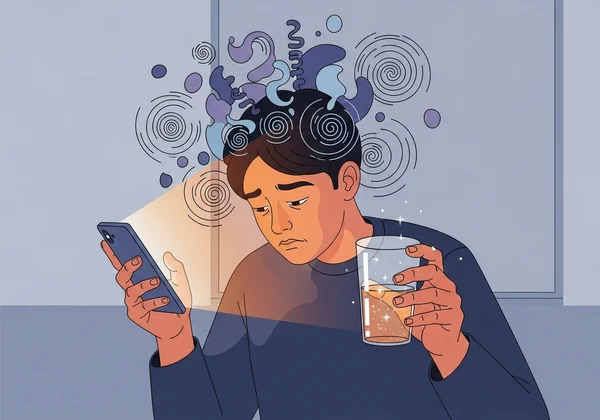
The Brain Chemistry Connection: Neurotransmitters and Dual Diagnosis
The connection goes deeper than just coping mechanisms; it's rooted in our brain chemistry. Mental health conditions like depression and anxiety are often linked to imbalances in neurotransmitters—chemicals like dopamine and serotonin that regulate our mood, pleasure, and motivation.
Dopamine, the "feel-good" chemical, plays a central role. Many addictive substances and behaviors trigger a rapid increase in dopamine, creating a powerful sense of reward. For someone already dealing with depression, this surge can feel especially gratifying. The problem is that the brain adapts. It begins to produce less dopamine on its own and becomes less sensitive to it. As a result, you need more of the substance or behavior to achieve the same effect, and natural joys feel less rewarding. This neurological process is a key reason why dual diagnosis is so challenging.
Recognizing the Signs: Dual Diagnosis in Yourself or Loved Ones
Identifying a dual diagnosis can be difficult because the symptoms often overlap. Is your social withdrawal a sign of depression, or is it because your gaming habit is taking over your life? Is your irritability due to anxiety, or is it a symptom of withdrawal? Untangling these threads is crucial for getting the right help.
Knowing the dual diagnosis signs can empower you to see the full picture. It’s not about labeling yourself, but about understanding the patterns that are holding you back.
Red Flags: When Mental Health Symptoms Point to Potential Addiction
Pay attention to how your behaviors and mental state interact. Here are some red flags that your mental health symptoms might be intertwined with a developing addiction:
- Your coping mechanism becomes a priority: You start organizing your life around the substance or activity, canceling plans or neglecting responsibilities to engage in it.
- Worsening mental health: After the initial relief, your anxiety or depression feels even worse. This is common after drinking or when facing the consequences of addictive behaviors.
- Changes in social circles: You begin spending more time with people who share your habit and less time with friends or family who don't.
- Increased tolerance: You need more of the substance or behavior to get the same feeling of relief or escape you once did.
- Failed attempts to cut back: You've tried to stop or reduce the behavior but find yourself unable to, often feeling intense cravings or withdrawal symptoms.
If these signs feel familiar, taking a confidential online assessment can be a helpful first step. A free addiction quiz can offer a clearer perspective on your habits.
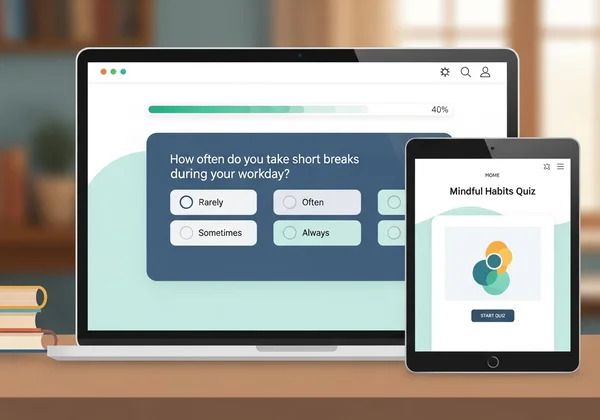
Differentiating Between Co-Occurring Disorders and Coincidental Symptoms
It's natural to wonder: "Is this really a dual diagnosis, or are these just two separate problems?" The key difference is how the conditions interact. If they were separate problems, managing one wouldn't affect the other. But with co-occurring disorders, they're deeply connected.
Consider these questions to help differentiate:
- Does your substance use or behavior worsen when your anxiety or depression flares up?
- Does your mental health improve when you manage to abstain from the behavior for a period?
- Do you use the substance or behavior specifically to avoid or numb difficult emotions?
If you answered "yes" to any of these, it strongly suggests the two issues are connected. Recognizing this link is the first step toward finding a solution that addresses both problems at once, which is the most effective path to healing.
Breaking the Cycle: Evidence-Based Approaches to Recovery
The good news is that recovery from a dual diagnosis is entirely possible. The key is to address both the mental health condition and the addiction simultaneously. Treating one while ignoring the other is like trying to fix a leak with a bucket—it might manage the mess for a while, but it doesn't solve the underlying problem.
Integrated Treatment: Why Simultaneous Care Matters Most
The gold standard for treating co-occurring disorders is integrated treatment. This approach brings together one team of professionals who address both your mental health and addictive behaviors simultaneously. This is much more effective than seeing separate specialists who may not be communicating with each other.
Integrated treatment might include:
-
Cognitive-Behavioral Therapy (CBT): A type of therapy that helps you identify and change the negative thought patterns and behaviors that fuel both addiction and mental health issues.
-
Medication Management: For some, medications can help manage the symptoms of depression or anxiety, reducing the urge to self-medicate.
-
Support Groups: Connecting with others who face similar challenges provides a sense of community and shared understanding.
-
Holistic Therapies: Practices like mindfulness, meditation, and exercise can help regulate mood and manage stress without resorting to addictive behaviors.
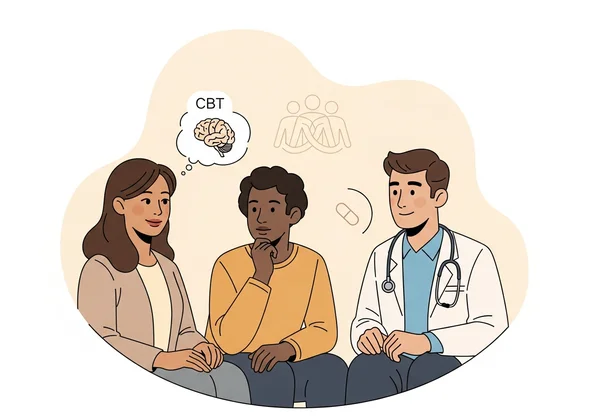
Building Your Support System: From Self-Awareness to Professional Help
Your recovery journey begins with a single, courageous step: self-awareness. It starts with admitting that something isn't right and that your current coping strategies aren't working. This is where tools for self-assessment can be incredibly valuable. Taking a private, science-based online addiction test can provide the objective feedback you need to move forward.
From there, you can begin to build your support system. This includes:
- Educating yourself: Understanding the connection between your feelings and actions demystifies the problem and reduces shame.
- Opening up to someone you trust: Sharing your struggle with a close friend, family member, or partner can be a powerful antidote to isolation.
- Seeking professional help: A therapist, counselor, or doctor specializing in dual diagnosis can provide a clear diagnosis and guide you through an integrated treatment plan.
Remember, asking for help is a sign of strength, not weakness.
Your Journey Toward Healing Begins with Understanding
Living with both a mental health condition and an addiction can feel isolating and overwhelming. But understanding that these two issues are often deeply connected is the first and most powerful step toward healing. You are not just dealing with "bad habits" or a "lack of willpower." You are navigating a complex interaction between your brain chemistry, your emotions, and your behaviors.
Recognizing this cycle is your key to breaking it. By seeking to understand your patterns, you shift from being a victim of your circumstances to an active participant in your own recovery. The path forward involves integrated care, building a strong support system, and most importantly, treating yourself with compassion.
Are you ready to gain a deeper understanding of your habits? Start your test today. Our confidential, science-based assessments can provide clarity on how your behaviors may relate to your emotional well-being. Taking this step is a brave start on your journey to a richer, healthier life.
Common Questions About Dual Diagnosis and Addiction
Can anxiety or depression cause addiction?
While they don't directly cause addiction in everyone, anxiety and depression are major risk factors. The emotional pain and distress from these conditions can lead individuals to "self-medicate" with substances or compulsive behaviors to find temporary relief, which can evolve into an addiction over time.
How do I know if I have a dual diagnosis?
A definitive diagnosis can only be made by a qualified healthcare professional. However, key signs include using a substance or behavior to cope with mental health symptoms, noticing your mental health worsens after engaging in the behavior, and finding that both issues feed into each other. For a preliminary look at your own patterns, you can try our free tool.
Is it possible to recover from both conditions simultaneously?
Yes, and it is the recommended approach. Integrated treatment, which addresses both the mental health disorder and the addiction at the same time, has been shown to be the most effective path to lasting recovery. Treating only one often leads to relapse in the other.
What's the difference between self-medicating and having a dual diagnosis?
Self-medicating is the act of using a substance or behavior to cope with symptoms. A dual diagnosis is the clinical term for when a person meets the diagnostic criteria for both a substance use disorder (or behavioral addiction) and a separate mental health disorder. Essentially, chronic self-medication can lead to a dual diagnosis.
Should I address my mental health or addiction first?
Ideally, you should address both at the same time through an integrated treatment plan. The conditions are interconnected, so working on them simultaneously gives you the best chance for success. A professional can help you create a plan that tackles the most urgent symptoms first while building a foundation for long-term health. If you are unsure where to begin, a confidential assessment can be an insightful starting point.
Disclaimer: The information provided in this article is for educational purposes only and is not a substitute for professional medical advice, diagnosis, or treatment. The tools on AddictionTest.me are screening instruments designed to help you assess your own behaviors but do not provide a medical diagnosis. If you are concerned about your health, please consult with a qualified healthcare provider.